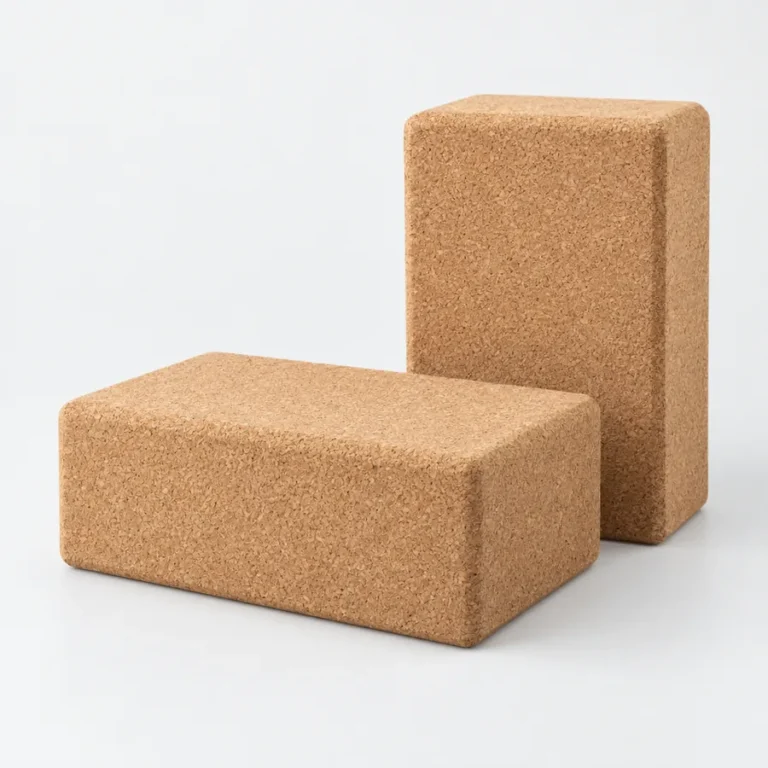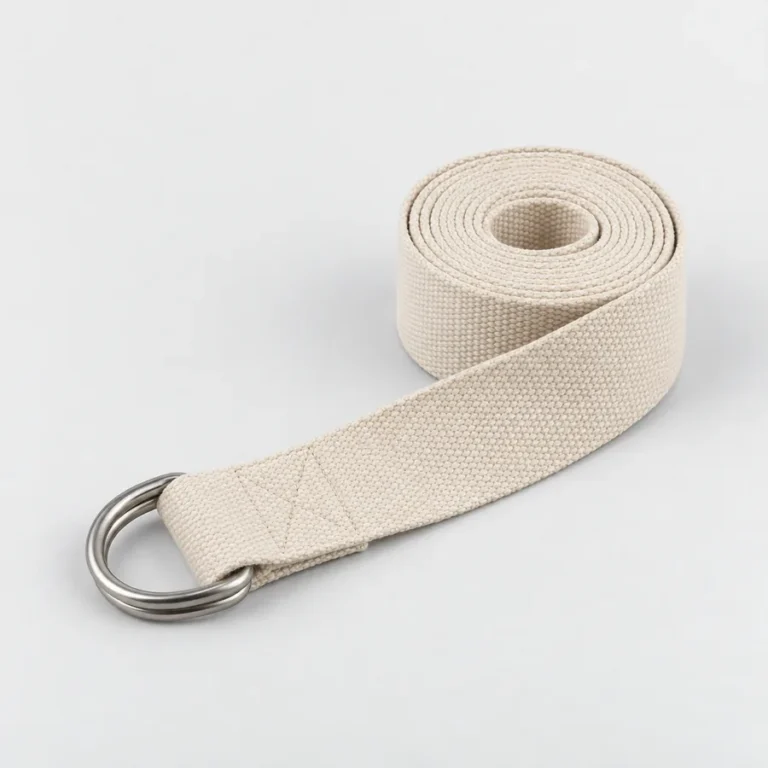
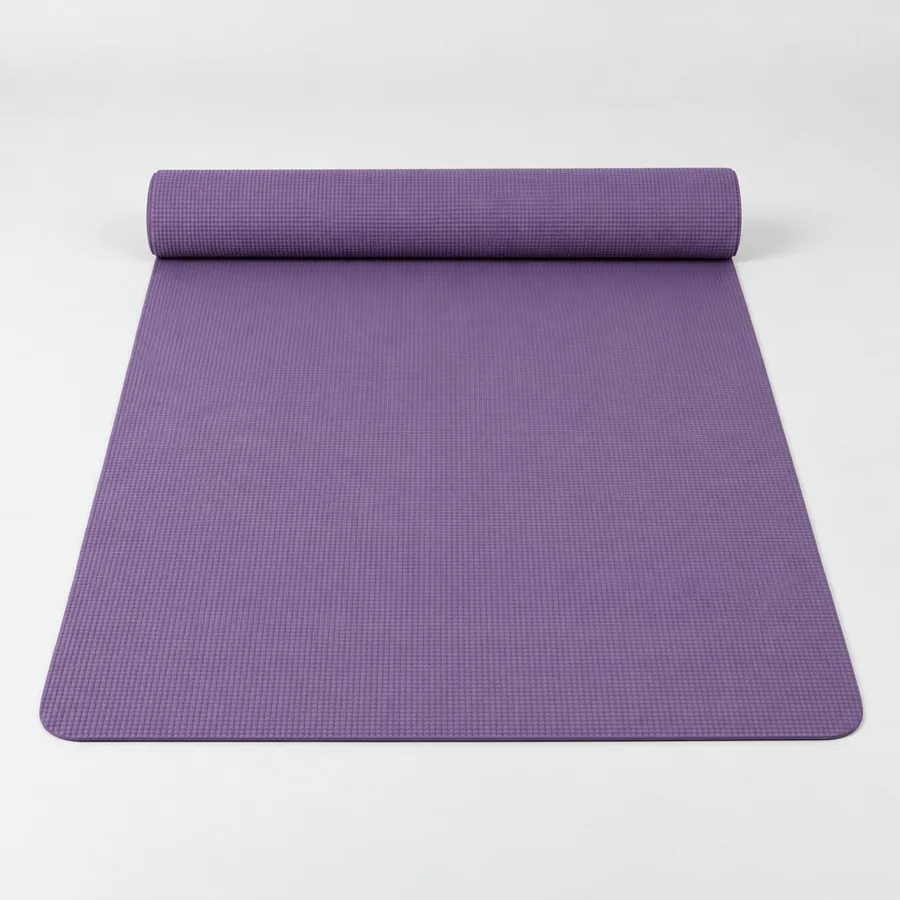
Non-Slip Yoga Mat
Rubber, polyurethane, PVC or microfibre? How yoga mat materials handle sweat, plus thickness, length and care points to weigh up first.
See prices on Amazon
Price and availability are shown on Amazon and can change. As an Amazon Associate we earn from qualifying purchases.
Grip in a yoga mat comes from the material, and each one behaves in its own way once hands get sweaty. Natural rubber is tacky when dry. Polyurethane tops cope with damp palms. PVC is hard-wearing but may need breaking in, and microfibre grips more as it gets wetter.
What to look for
- Thickness: thinner mats feel steady in balances, thicker ones cushion the knees.
- Length: taller people should look past the usual size, so that head and heels both stay on.
- Underside: it needs to hold the floor as firmly as the top holds you.
- Cell type: open-cell surfaces soak up sweat and want more frequent cleaning.
- Weight: natural rubber is noticeable if you walk to class.
Who it suits
Vinyasa and hot yoga regulars who slide in downward dog, along with home stretchers on polished boards. Slow, floor-based classes can get by with something softer.
Before you buy
- Latex allergy in the house? Skip natural rubber.
- Ask which cleaners the maker allows, as oils can damage some surfaces.
- Plan a shady storage spot, because direct sun dries and cracks rubber.
See prices on Amazon
Price and availability are shown on Amazon and can change. As an Amazon Associate we earn from qualifying purchases.
Check the seller's own photos, sizes and reviews on Amazon before you order.